

Family feeds: how digital activity is reshaping our connections
August 18, 2026

What does “caught in 4K” mean? Slang explained for parents
July 20, 2026
The Connected Family Paradox: How Tech Shapes Communication and Independence
July 21, 2026

Average screen time for teens: What parents should know
July 27, 2026
Updated – Originally published October 20, 2025
Kids today are growing up with more screens than any generation before them. Phones, tablets, and smart devices are everywhere, and for many families, this raises an important question. When is the right time to give a child a phone, and what kind of phone actually makes sense?
According to Common Sense Media, 8- to 12-year-olds spend an average of five and a half hours on their screens every day. And according to Pew Research Center, 72%of teenagers said they feel peaceful when they do not have their smartphones.
That combination is telling. Many kids recognize that life can feel better without constant notifications and endless apps. Parents, meanwhile, still want their children to be able to communicate for safety and everyday life.
That is where alternate phones come in.
What is an alternate phone?
An alternate phone is a simpler phone that lets your child call and text without giving them a full smartphone. For many parents, finding an alternate phone means choosing a device their child can use instead of a smartphone.
Here is what you should know about alternative phones and the best kid-safe cell phone alternatives available today.
Why do parents look for an alternate phone?
Parents today are more aware than ever of how technology impacts kids. Many families want their child to have a way to call or text, especially for school, activities, or emergencies, without handing over unrestricted access to the internet.
That’s why cell phone alternatives and alternative phones to iPhone are becoming more popular. Parents are not necessarily anti-technology. They are looking for balance. Many families are also trying to figure out when a child should get a phone and what type of phone makes sense at different stages.
Smartphones are designed for adults and come with internet access, app stores, social media, and constant notifications. Even with parental controls in place, managing a smartphone can become a daily source of stress for families.
An alternate phone offers a more intentional starting point. It gives kids the ability to communicate while limiting distractions and online exposure. For many families, it is a first step that supports independence while still maintaining clear boundaries around technology use.
For kids, access to a full smartphone can lead to:
- Too much screen time.
- Exposure to inappropriate content.
- Pressure from social media.
- Distractions during school or family time.
Popular alternate phone options (and why they’re not always kid-friendly).
There is no one-size-fits-all alternative phone. Different options exist for different needs, which is why parents often compare several types before deciding what works best for their child.
Some alternate phones are designed for adults who want fewer distractions, while others are meant to help kids stay connected without stepping into full smartphone use. Understanding the differences can make the choice clearer.
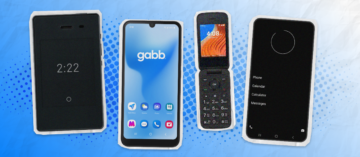
The Light Phone
The Light Phone is a minimalist device designed to help users spend less time on their phones. It focuses on basic functions like calling and texting and removes features such as social media, web browsing, and email.
This type of phone can be appealing for adults who want to simplify their digital lives. However, it is not designed specifically for kids. It does not offer parental controls or family safety features, which are often important considerations when choosing a child’s first phone.
Because of this, many parents who search for light phone alternatives are actually looking for an option that better fits a child’s needs.
Minimalist and stripped-down phones
Some alternate phones take a different approach by turning an existing smartphone into a simpler device. These options usually rely on apps or settings that limit access to certain features, apps, or notifications.
While this can reduce distractions, these phones still start with an adult smartphone. For kids, that often means ongoing management and exposure to features parents may not feel ready to introduce.
Flip phones
Flip phones are another option families sometimes consider. They offer calling and basic texting without app stores or internet access, which can limit distractions.
That said, many flip phones lack modern features families rely on today, such as easy texting interfaces, GPS tracking, or tools designed with kids in mind.
Why Gabb is an alternate phone built specifically for kids.
Some families aren’t looking for a stripped-down adult phone. They’re looking for a phone built from the ground up for kids.
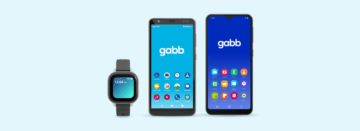
That’s where Gabb stands out. For families searching for a Gabb alternate, Gabb phones are designed to be a child’s first phone and an alternate to an adult smartphone, not a modified version of one.
Gabb phones focus on:
- Calling and texting.
- Built-in safety features.
- Parent-controlled functionality.
- No internet, social media, or app store.
Instead of asking parents to manage dozens of settings, Gabb removes the need entirely. The result is a phone that gives kids independence while helping families stay aligned with their values.
How Gabb compares to other cell phone alternatives.
Not all alternate phones are meant for the same user. Adult minimalist phones are designed for personal digital detox. Gabb phones are designed for family communication and child safety.
That difference matters. When parents search for cell phone alternatives, they’re often really asking, “What’s a safe phone my child can have without the risks of a smartphone?”
For families with kids, an alternate phone should support growth, responsibility, and connection—not just fewer features.
Who should choose an alternate phone like Gabb?
An alternate phone like Gabb can be a good fit for families who:
- Are giving their child a first phone.
- Have younger kids or tweens.
- Want to communicate without social media.
- Aren’t ready for a smartphone yet.
- Want fewer digital battles at home.
It allows kids to stay connected while parents stay confident in the boundaries they’ve set.
Choosing the right alternate phone for your family.
Choosing an alternate phone can help kids stay connected without stepping into the full responsibilities and distractions of a smartphone.
For many families, an alternate phone is not about avoiding technology altogether. It is about introducing it in a way that feels age-appropriate and manageable. A phone that focuses on communication, safety, and clear boundaries can help kids build independence while giving parents peace of mind.
Taking the time to compare options and understand how each phone is designed can make it easier to choose an alternate phone that fits your child and your family’s values.
How will your child use their phone day to day? Do they need basic communication or more advanced features?
Are you looking for an option that limits internet access and distractions from the start? What level of independence feels right for your family right now?

Rob is a Gabb staff writer with a passion for stories and over a decade of experience. As a father of three, he loves anything that lights up his kids' worlds and sparks their imaginations. Rob is dedicated to helping families navigate the digital world safely while fostering creativity and meaningful connections.


Success!
Your comment has been submitted for review! We will notify you when it has been approved and posted!
Thank you!