

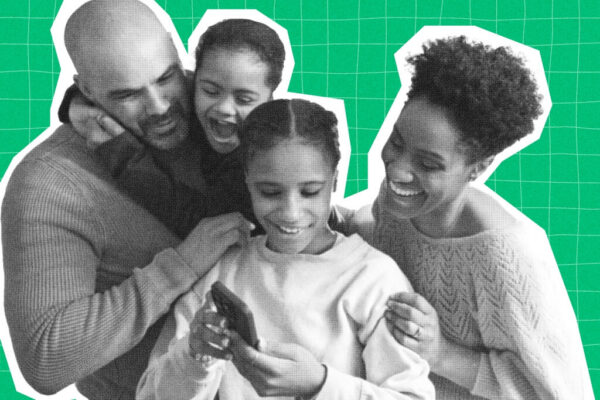


Homeschooling looks different for every family, but one thing stays the same: communication. Whether your child is learning at home full time, attending co-ops a few days a week, or splitting time between lessons and extracurriculars, staying connected helps everything run more smoothly.
Many families find phone decisions rising earlier than expected. According to research, about 42% of U.S. kids have a smartphone by age 10, and that share grows to more than 70% by age 12.
As homeschool schedules become flexible and encourage independence, many families wonder whether a phone makes sense. A phone can help with coordinating lessons away from home, checking in during activities, or handling last-minute schedule changes.
At the same time, parents often want to avoid introducing distractions that compete with learning or family routines.
That is where choosing the best phone for homeschoolers becomes less about features and more about intention. Instead of social media, constant notifications, or unlimited internet access, many homeschool parents look for a phone that focuses on communication first.
A thoughtful approach to technology helps kids stay reachable while keeping learning, structure, and family values at the center of daily life.
Why homeschool families have different phone needs
Homeschool schedules aren’t always predictable. Learning doesn’t happen only in a classroom, and kids are often on the move throughout the day.
Because homeschool families don’t rely on school-issued devices, parents must decide how and when kids stay connected. A phone for homeschool kids often needs to support flexible schedules and real-world responsibility without becoming a source of entertainment or distraction.
Nationwide, nearly 95% of teens say they have or have access to a smartphone. These devices are common even before families start thinking about tech boundaries.
In practice, that means phones are used differently in homeschool settings. Kids may need to check in during a co-op day, communicate with an instructor during a class held off-site, or reach a parent when plans change unexpectedly. These moments call for simple, reliable communication rather than constant access to apps or online content.
This is why many parents look for a safe phone for kids that fits into family routines instead of interrupting them. When a phone is designed with intentional limits, it supports independence while still reinforcing focus, responsibility, and learning.
Safety first, without social media or internet distractions
One of the biggest concerns for parents is keeping kids safe while limiting unnecessary exposure online.
A distraction-free phone for kids focuses on what matters most:
- Approved contacts only
- No social media apps
- No unrestricted web browsing
- Built-in parental controls for kids
- GPS tracking for kids, so parents know where their child is when plans change
For homeschool families, safety often means fewer digital doors to worry about. When a phone is limited to essential features, parents can feel confident without constantly checking settings or monitoring screen activity throughout the day.
A safe phone for kids can reduce daily tech stress by making expectations clear right away. When a phone is designed for communication and safety, children understand its purpose from day one. That clarity helps reduce daily tech friction while reinforcing healthy boundaries around technology use, especially during school hours.
For homeschool families, this approach allows kids to stay connected without exposure to content that does not support learning goals or family values.
Supporting learning, not interrupting it
Many homeschool parents intentionally separate learning devices from communication tools. Tablets or computers may be used for lessons, while phones remain focused on coordination and safety. This separation helps kids stay engaged without bouncing between apps, messages, and entertainment during the school day.
A distraction-free phone for kids reinforces that learning time is protected time. When phones are designed to support communication rather than constant stimulation, they quietly fit into the day instead of competing for attention. Kids can stay reachable when needed without being pulled away from lessons or independent work.
In a homeschool environment, phones work best as logistics tools rather than entertainment devices. This approach helps reinforce clear boundaries around technology use and supports focus, responsibility, and real-world learning. It is especially helpful for younger homeschool students who are still building healthy tech habits.
As kids get older, many families want phone settings that can adjust along the way.
Flexible controls that grow with different ages
Homeschool families often have children at different stages of independence, which means technology needs can vary widely within the same household.
For younger kids, starting with limited access can build confidence without creating overwhelm. As children mature, parents can gradually introduce new responsibilities by adjusting controls based on readiness rather than age alone. This allows kids to gain independence at a pace that makes sense for them.
This approach works especially well for families with multiple children. Flexible controls make it possible for each child to have a phone experience that fits their stage of development while keeping expectations consistent across the household.
A budget-friendly option for homeschool families
Homeschooling already comes with plenty of expenses. Many families are managing curriculum costs, supplies, and extracurricular activities, often for more than one child.
Choosing a phone with predictable monthly costs and no app purchases can help families plan ahead. A budget-friendly phone for homeschool kids keeps communication simple without adding financial stress or unexpected charges.
For families managing multiple devices, cost consistency matters. Phones without app stores or in-app purchases help parents avoid surprise expenses and make it easier to budget over time.
When communication tools stay affordable and straightforward, families can focus their resources where they matter most, supporting learning and everyday life rather than managing extra tech costs.
When a phone makes homeschooling easier
When comparing options, it helps to focus on features that support daily routines rather than flashy extras. A simple checklist can clarify which phones truly meet homeschool needs.
For many families, having a phone becomes helpful during everyday moments like:
- Coordinating co-ops
- Field trips
- Sports and extracurriculars
- Running errands independently
- Emergency situations
In these situations, a phone supports independence while giving parents peace of mind. It allows kids to check in when plans change, reach a parent when needed, and navigate responsibilities without constant supervision.
What to look for in a phone for homeschool kids
If you’re comparing options, here’s a quick checklist to guide your decision:
- Calling and texting only (or mostly)
- Strong parental controls
- GPS tracking for kids
- No social media or unrestricted internet
- Simple, durable design
- Predictable monthly costs
A phone for homeschool kids works best when it supports daily routines without adding complexity. Focusing on communication, safety, and control can help families choose a phone that fits their homeschool rhythm rather than disrupting it.
The best phone for homeschoolers? Gabb
Looking for the best phone for homeschoolers? Try Gabb.
When parents can start simple and make changes over time, phones become a tool for learning responsibility rather than a source of pressure. This kind of structure supports growth while keeping boundaries clear.
A great way to slowly introduce technology to your children is using Gabb’s Tech in Steps. You can start your kids young with the Gabb Watch 3e and work up from there—eventually leading up to their very own phone.
The Gabb Phone allows all the convenience of cellphones, but none of the distractions. Navigate your homeschooler’s complicated schedules, co-op days, and more with ease—and sleep easy knowing that they won’t have access to internet or social media.
What made you decide it was time to consider a phone for your child? What features matter most for your homeschool routine right now?




Success!
Your comment has been submitted for review! We will notify you when it has been approved and posted!
Thank you!