
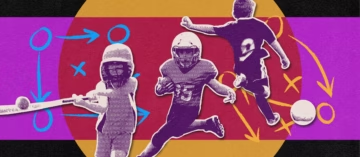
It’s 7:45 on a Saturday morning. Your kid is half-asleep in the back seat, cleats untied, complaining about the cold. Two hours later, they’re the loudest one on the sideline, cheering for a teammate they barely knew in August.
We often sign kids up for sports to burn off energy and stay active. But what they bring home from the field goes well beyond the scoreboard, and some of the benefits might surprise you.
They learn they’re part of something bigger
On a team, every position matters. The goalie can’t win the game alone, and neither can the star striker. When one player drops the ball, sometimes literally, everyone feels it. Kids figure out fast that the team works best when they do their part and trust others to do theirs.
That lesson carries off the field, too. Team sports give kids real practice putting others first and celebrating a teammate’s goal as if it were their own.
They also learn to shake hands after a game that didn’t go their way. Losing well and winning graciously are hard skills at any age, and the sideline is a great place to start.
They learn to play the long game
Not every practice is exciting. Kids run the same drills week after week, and some seasons are tough. But sticking with it teaches them that getting better takes time. Because their teammates are counting on them, they learn to show up, work hard, and stay disciplined even when they’d rather be doing something else.
They gain confidence and self-esteem
The first time a kid makes a big play, you can see it on their face. Maybe it’s a catch they’ve been dropping all season or a free throw that finally goes in. Either way, they walk off the field a little taller.
Those moments come from work they put in themselves. Kids see that practice actually pays off, and they start to believe they can get better at hard things. That belief follows them into the classroom, into new friendships, and into the next challenge they face.
Being part of a team helps too. When coaches and teammates count on them, kids feel like they belong and that their effort matters.
Sports build sharper brains
The benefits aren’t just about character. One study found that kids who play team sports show stronger cognitive skills than kids in self-paced sports, especially in executive function. That’s the mental toolkit kids use to make sense of the world, solve problems, and work toward long-term goals.
Time matters here. Cognitive and motor skills develop rapidly in childhood, and the foundational skills that kids build now can shape how strong those skills are into adulthood.
The habits last, too: teens who play sports are eight times more likely to still be active at 24 than those who don’t.
Sports support mental health
Additionally, children who don’t exercise habitually were two times more likely to struggle with their mental health, especially anxiety and depression. On the flip side, the confidence kids build on the field shows up in other places, too.
Studies show young athletes have higher self-esteem, are less likely to turn to drugs and alcohol, and face lower rates of anxiety, depression, and suicide.
How to help your kid get the most out of sports
Let them try a few. Kids don’t have to pick their sport at age seven. Trying soccer one season and volleyball the next helps them figure out what they actually enjoy, and kids who truly enjoy their sport are more likely to keep at it.
Cheer for effort. Wins are fun, but the hustle, the teamwork, and the attitude after a bad game are what’s worth praising. When you notice those things, your kid will too.
Fully present, on and off the field
Kids today have plenty pulling at their attention. Sports give them something different: time spent moving, laughing with friends, and working toward something together, with no screen in sight. Every hour on the field is an hour of being fully present with their team, their coach, and you cheering from the stands.
The wins and losses fade, but the lessons stay with them long after the season ends.
So the next time you’re scraping frost off the windshield at 7:45 on a Saturday, with a grumpy kid and untied cleats in the back seat, remember what you’re really driving them to. It’s more than a game. It’s where they learn to be a good teammate, to keep going when things get hard, and to believe in themselves. Those lessons will last long after the season ends.

Michelle is a Project Manager at Gabb Wireless, where she works on content for parents navigating kids and tech. When she’s not writing, you’ll find her cooking and perfecting a new recipe. She’s always looking for ways to help families spend less time on screens and more time together.
Success!
Your comment has been submitted for review! We will notify you when it has been approved and posted!
Thank you!